Looking for TWW’s national lending work? Find it as Seed Commons

Investing in the workers who are transforming our world.
A Crisis of Inequality
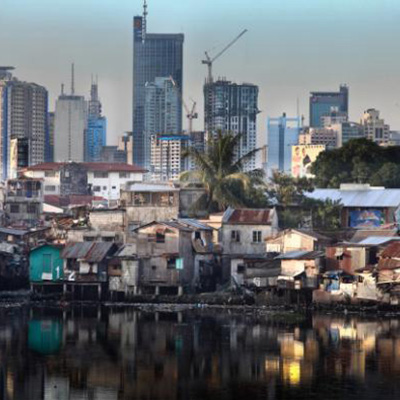
In what is being called “The Great Divide”, we are facing an historic chasm of inequality that defies common understanding. Since 2008, the number of billionaires in the world has doubled, and yet a quarter of Americans have less than $10 to their name. In the globe as a whole, a mere eighty people own as much wealth as 3.6 billion people, more than half the world combined. The drive for profit has become the extraction from the many for the benefit of the few. Sources: [a], [b], [c], [d]
A Crisis of Exclusion
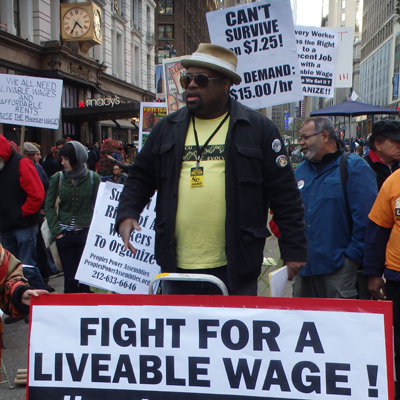
History books used to teach that the economic effects of racism were in the past, but we are finally facing the truth that the wealth and income divide is happening along racial and ethnic lines. Despite decades of civil rights activism, people of color continue to face extreme economic exclusion, and income and wealth inequality between whites and other races has largely remained unchanged and even increased in recent years. Sources: [a], [b], [c]
A Crisis of Extraction
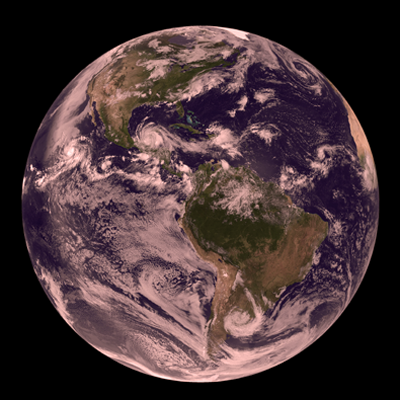
We are faced with the destruction of our planet in way never before known in history. Scientists have sounded the alarm that our economic activity is having an extremely dangerous effect on the climate, and yet despite decades of awareness, we have remained unable to change, and the crisis has only continued to deepen. The drive for short-term profit is literally destroying our chances for long-term survival. Sources: [a], [b], [c]
These historic crises have a common root: the extractive economy
Our system makes profit for a few by extracting from people and planet.
We can transform this into a democratic economy which is built to serve the needs of people and the communities they live in.
Here’s how we do it:

1. Recreate Finance
Finance is the engine that drives our economy, and it is the place to begin transforming it. We recreate finance so it is a tool for the benefit of people and planet, rather than using people and planet as a tool to make profit. The Working World has made over a thousand successful investments into people and has never extracted a penny.

2. Add in Pragmatic Training
Once we democratize capital, we need to democratize knowledge and include everyone in the process of running our economy. Our team and our partners have decades of experience helping ordinary people build extraordinary businesses.
3. Put People in Charge
When communities control resources, they care for them, and our society and our planet can be stewarded for generations to come when the people are in charge. We have worked with hundreds of worker and community owned businesses across the globe that build wealth and use it to meet the needs of people, and more are created every day.
4. Grow virally and transform the world
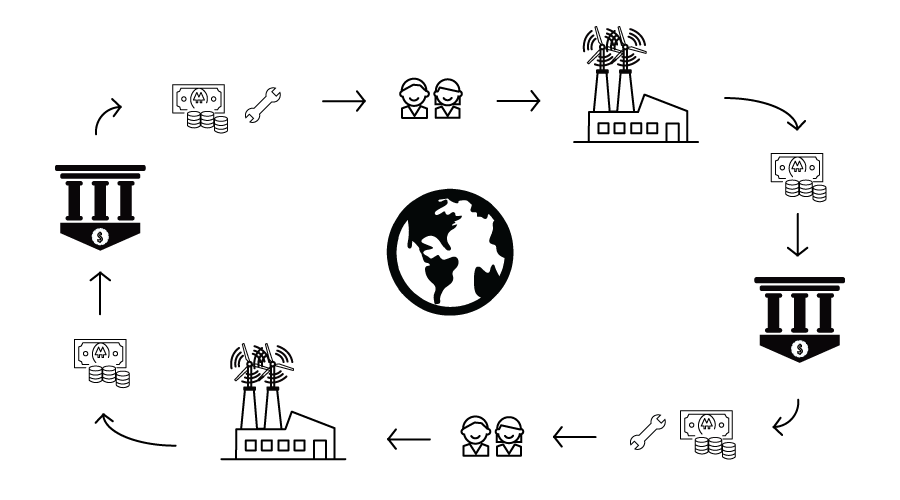
People create their own jobs, build their own economic power, and steward their own communities. As projects are successful, investments are repaid and money and knowledge are shared with new communities, allowing the whole system to spread like a network and allow local control to go global.
How can any organization change the world? It can’t — but people can. The hardest part of any plan is who will execute it. In our plan to transform the economy, we all do it together.
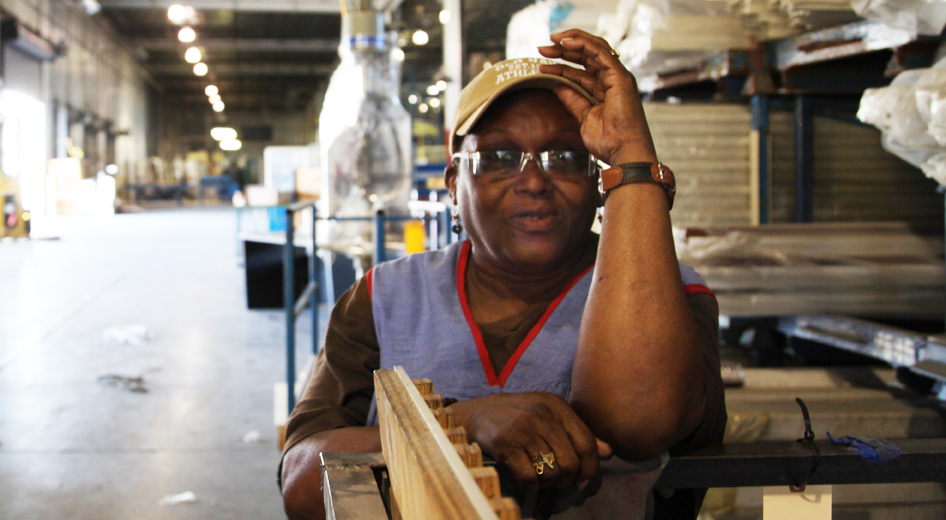
Arizona is not alone:
98%
repayment rate just from profits we helped generate
1000+
investments in worker and community owned businesses
210+
companies democratically owned and managed by workers
$0
extracted from the economy through our zero-debt loans